
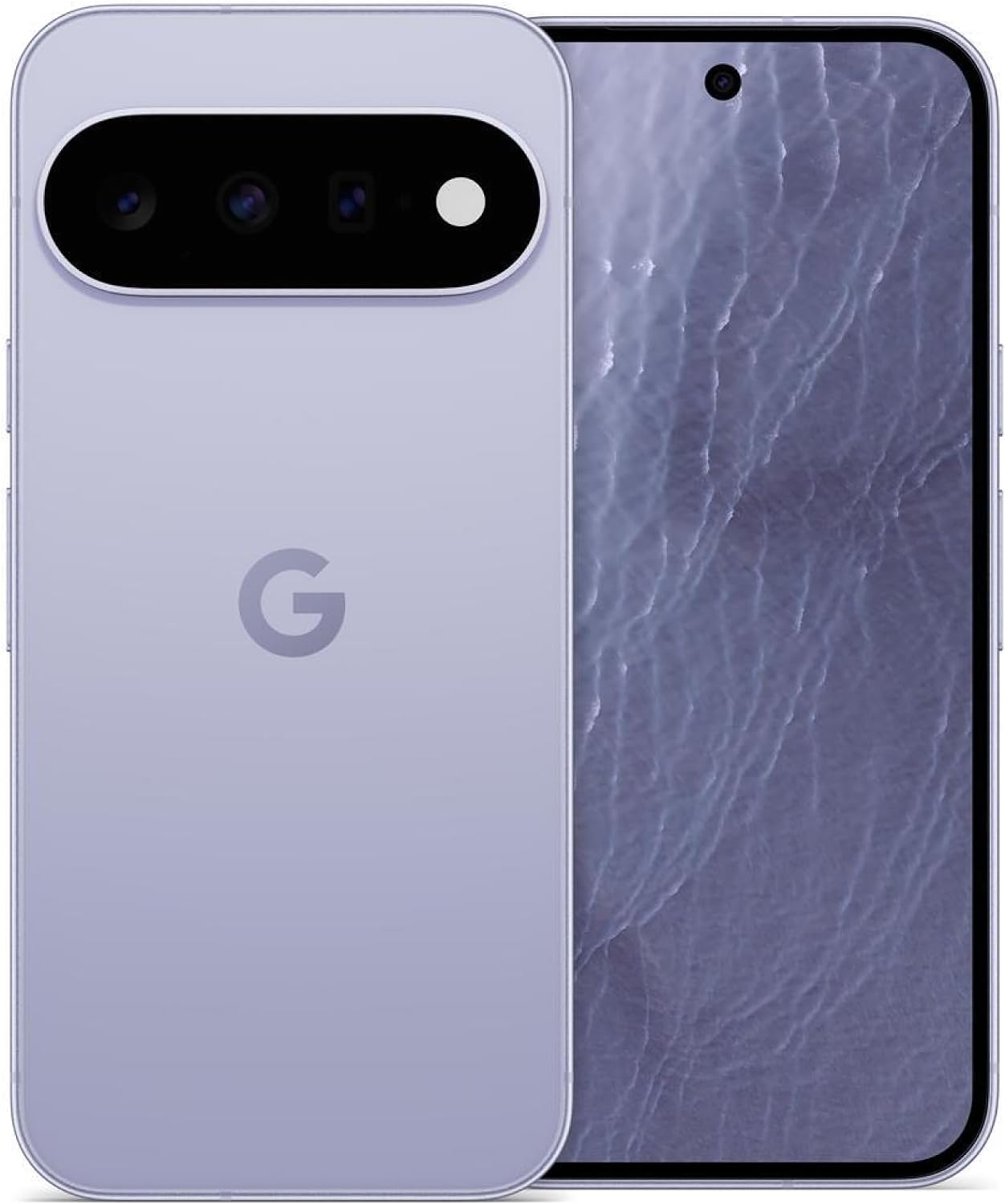
Google Pixel 11 – Unlocked Smartphone, Gemini – 256 GB – Frost
When browsing the Amazon marketplace, the Google Pixel 11 appears as an unlocked smartphone offering a generous 256 GB of internal storage in a color described as “Frost.” Beyond these basic identifiers, the product listing does not provide additional technical specifications, performance metrics, or feature descriptions. This review focuses on what can be inferred from the available information, outlines the practical implications of the listed attributes, and highlights the gaps that prospective buyers should address through further research.
What the Listing Tells Us
The Amazon listing supplies three concrete data points:
- Brand and Model – Google Pixel 11
- Storage Capacity – 256 GB
- Color – Frost
Additionally, the device is identified as unlocked, meaning it is not tied to a specific carrier and can theoretically be used with any network that supports the device’s frequency bands. No other details—such as processor type, display size, camera specifications, battery capacity, or software version—are disclosed in the listing.
Understanding the “Unlocked” Feature
In the context of mobile devices, an unlocked phone is one that is not restricted to a particular carrier’s network. This status offers several practical advantages:
- Carrier Flexibility – Users can switch between carriers without needing to purchase a new device or wait for a lock to be released.
- International Roaming – Travelers can insert local SIM cards in foreign countries, often resulting in lower roaming fees.
- Resale Value – Unlocked devices are generally more attractive to secondary markets because they can be used by a broader audience.
Because the listing confirms the phone is unlocked, buyers can confidently consider it for use with any compatible carrier. However, the specific frequency bands and network technologies supported by the device remain unknown. Potential users should verify that the phone’s hardware is compatible with the bands used by their chosen carrier, especially if they plan to use the device in regions with differing network standards.
Implications of 256 GB of Internal Storage
A storage capacity of 256 GB is relatively generous for a smartphone. This amount can accommodate:
- Large numbers of high‑resolution photos and videos
- Extensive music libraries and media collections
- Multiple large applications and games
- High‑quality document archives for business or academic use
For users who regularly download or create media, 256 GB can reduce the need for external storage solutions such as microSD cards or cloud services. It also offers flexibility for future software updates, which often increase the amount of space required for operating system files and app data.
Because the listing does not specify whether the storage is internal only or if the device supports expandable memory, buyers should confirm whether a microSD slot is present if they anticipate needing additional storage beyond the 256 GB.
Color Considerations: Frost
The “Frost” designation suggests a subtle, possibly cool-toned finish. While color is primarily an aesthetic choice, it can influence user satisfaction in several ways:
- Personal Preference – Some users prefer muted or neutral tones for a professional look, while others may seek brighter or more distinctive colors.
- Durability Perception – Lighter colors may show scratches or scuffs less readily, potentially influencing the perceived longevity of the device’s exterior.
- Resale Appeal – Certain colors may be more sought after in secondary markets, affecting resale value.
Because the listing does not provide visual references or user reviews, buyers should seek additional images or sample photos to ensure the color meets their expectations.
Potential Practical Benefits – Cautiously Framed
Based on the confirmed attributes, several practical benefits can be reasonably inferred, though they remain contingent on additional, unverified features:
- Network Independence – The unlocked status allows users to choose carriers that best fit their coverage needs or cost preferences.
- Large Storage Capacity – 256 GB supports extensive media libraries and app ecosystems without immediate concern for storage constraints.
- Brand Reliability – Google’s Pixel line has historically emphasized software updates and security patches, suggesting a potential advantage in long‑term device maintenance.
- Design Aesthetics – The Frost color may appeal to users seeking a subtle, professional appearance.
These benefits are presented as possibilities rather than guarantees. The absence of detailed specifications means that other critical factors—such as processor speed, display quality, camera performance, battery life, and build materials—remain unknown and could significantly influence the overall user experience.
Limitations and Unknowns
While the listing provides a few key data points, several essential aspects are missing, creating uncertainty for potential buyers:
- Hardware Specifications – No information is available regarding the processor, RAM, or GPU. These components determine performance for tasks ranging from everyday app usage to gaming and multitasking.
- Display Characteristics – Size, resolution, refresh rate, and panel type (LCD, OLED, etc.) are not disclosed. These factors affect visual clarity, color accuracy, and power consumption.
- Camera System – Details about sensor size, aperture, optical zoom, and image‑processing capabilities are absent. Camera performance is a major consideration for many consumers.
- Battery Capacity and Charging – Without battery wattage or charging speed data, it is impossible to assess how long the device will last on a single charge or how quickly it can be recharged.
- Software Version – The Android version and any exclusive Google features are not specified. Software can impact security, app compatibility, and feature availability.
- Build Materials and Durability – Information about the chassis material, water resistance rating, or drop protection is missing.
- Warranty and Support – No warranty period or support terms are provided. These are critical for long‑term ownership.
Because these gaps exist, buyers should seek additional sources—such as official Google documentation, reputable review sites, or detailed product specifications from the manufacturer—to confirm the device’s capabilities before making a purchase decision.
Suitable Use Cases – Conditioned on Further Details
Given the limited information, the Google Pixel 11 could be suitable for several general use scenarios, provided that the device meets typical performance expectations for each scenario. These scenarios include, but are not limited to:
- General Communication – Phone calls, messaging, and email are core functions that most smartphones support. The Pixel brand’s emphasis on software updates suggests that basic communication features are likely reliable.
- Media Consumption – Streaming video, music, and podcasts are common uses. The 256 GB storage capacity would accommodate large media libraries, but actual playback quality depends on display and audio hardware.
- Photography and Video Capture – If the device includes a multi‑camera system typical of the Pixel line, it could serve casual photographers. However, without camera specifications, the quality of images and videos cannot be guaranteed.
- Productivity Tasks – Document editing, spreadsheet work, and email management are feasible on most modern smartphones. Adequate RAM and a capable processor would be necessary for smooth multitasking.
- Gaming – Mobile gaming performance hinges on the GPU and CPU. While the Pixel series has historically offered competent gaming experiences, the absence of hardware details prevents a definitive assessment.
- Travel and International Use – The unlocked nature of the device makes it a candidate for travelers who wish to use local SIM cards abroad. Compatibility with local network bands remains a key factor.
These use cases are presented as possibilities contingent upon the device meeting standard performance benchmarks for each activity. Buyers should verify that the Pixel 11’s hardware and software meet their specific needs before purchasing.
Buying Considerations
When evaluating the Google Pixel 11 based on the information available, potential buyers should weigh the following considerations carefully:
- Verify Network Compatibility – Confirm that the device supports the frequency bands and network technologies (e.g., 4G LTE, 5G) used by the carrier(s) you intend to use.
- Assess Storage Needs – Determine whether 256 GB aligns with your media consumption habits, app usage, and data backup strategies. Consider whether expandable storage is available if you anticipate exceeding this capacity.
- Research Hardware Specifications – Seek out official specifications or reputable reviews that detail processor, RAM, GPU, display, camera, and battery characteristics to ensure the device meets performance expectations.
- Consider Software Support – Verify the Android version and the frequency of security updates. Google’s track record suggests timely updates, but confirmation is advisable.
- Evaluate Build Quality and Durability – Look for information on chassis material, water and dust resistance ratings, and any certifications that indicate robustness.
- Check Warranty and Support Terms – Understand the warranty period, coverage scope, and available support channels. This information is critical for long‑term device maintenance.
- Compare Pricing – While the listing does not provide a price, compare the cost of the Pixel 11 with similar unlocked smartphones offering comparable storage and features to ensure value for money.
- Read User Feedback – Even if the product description is sparse, user reviews can offer insights into real‑world performance, reliability, and any recurring issues.
- Consider Resale Value – Unlocked devices often retain higher resale value. If you plan to upgrade in the future, this factor may influence your decision.
- Assess Brand Trust – Google’s reputation for software updates and security can be a positive factor, but verify that this extends to the specific model in question.
By systematically addressing these considerations, buyers can mitigate the uncertainty introduced by the limited information in the product listing.
Conclusion
The Amazon listing for the Google Pixel 11 provides only a few concrete details: an unlocked status, 256 GB of internal storage, and a Frost color variant. While these attributes suggest certain practical benefits—such as network flexibility and ample storage capacity—the absence of comprehensive specifications leaves many critical questions unanswered. Potential buyers should therefore seek additional information regarding hardware performance, display quality, camera capabilities, battery life, software support, and warranty terms before making a purchase decision.
In summary, the Google Pixel 11’s unlocked nature and generous storage make it a potentially attractive option for users who prioritize network independence and large media libraries. However, the lack of detailed specifications in the listing necessitates further research to confirm that the device meets individual performance and feature expectations. By conducting thorough due diligence—consulting official sources, reputable reviews, and user feedback—prospective buyers can make an informed decision that aligns with their specific needs and preferences.